Rug Guide
Hand-Knotted vs Hand-Tufted Rugs: Which One Should You Choose?
2026-06-09
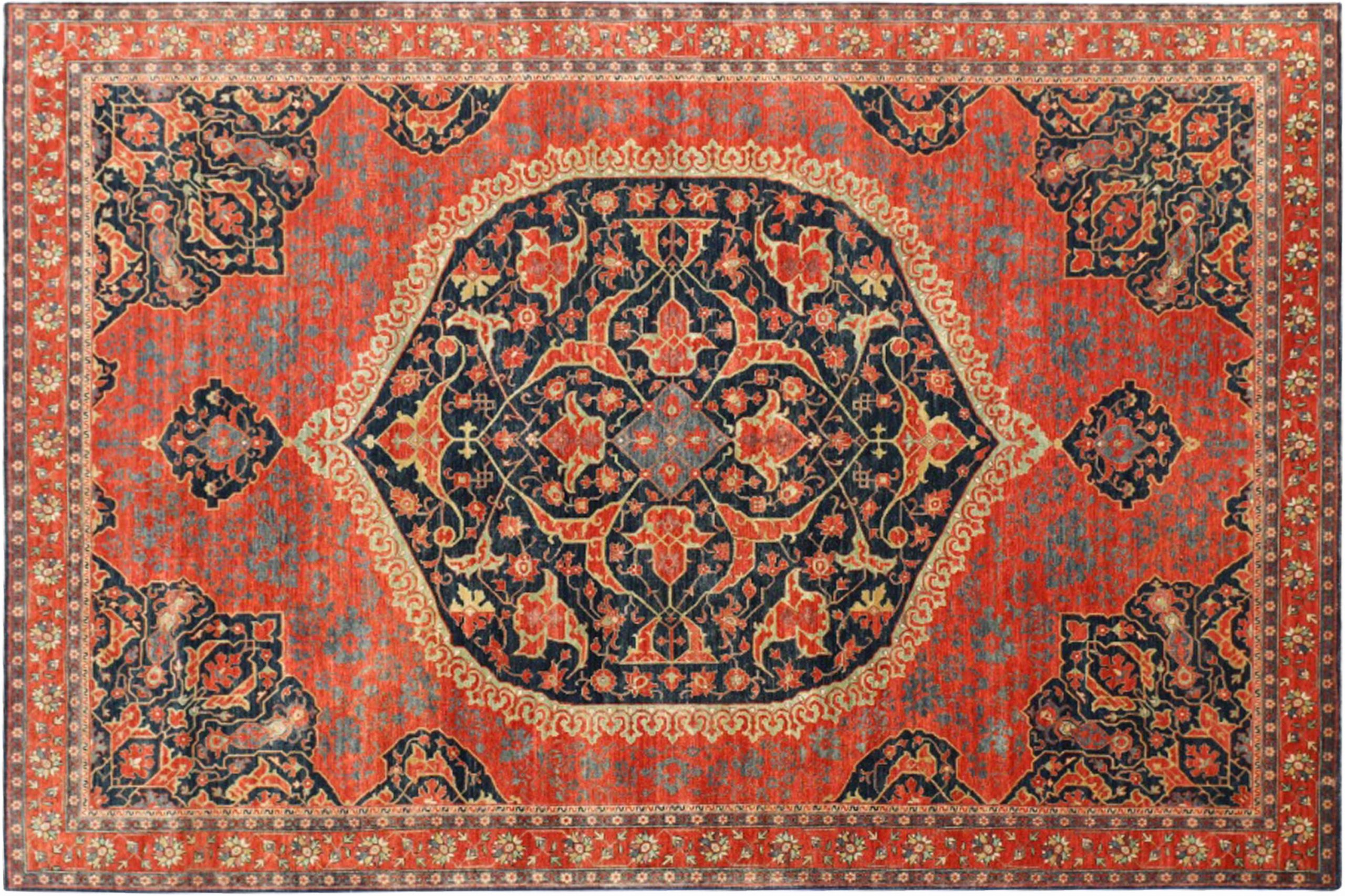
Choosing between a hand-knotted rug and a hand-tufted rug depends on your space, timeline, design vision, and long-term expectations. This guide explains the difference with clarity, so designers, retailers, and homeowners can make the right choice.
A Rug Is More Than a Floor Covering
A handmade rug has the power to define a room. It can soften a modern interior, bring warmth to a minimal space, or become the quiet centerpiece that holds an entire design story together. At Nafya Rugs, every rug begins with the same question: what should this piece feel like when it enters a space? For some projects, the answer is timeless luxury and heirloom craftsmanship. For others, it is bold design, faster execution, and creative flexibility. That is where the difference between hand-knotted and hand-tufted rugs becomes important.
What Are Hand-Knotted Rugs?
Hand-knotted rugs are among the most respected forms of handmade rug craftsmanship. Each knot is tied individually by skilled artisans onto a foundation, slowly building the rug row by row. This process requires patience, precision, and deep technical knowledge. Because the structure is created knot by knot, hand-knotted rugs are known for their strength, detail, and long life. They are often chosen for luxury homes, designer residences, boutique hotels, private collections, and spaces where the rug is expected to age beautifully over time.
Why Hand-Knotted Rugs Feel More Premium
The beauty of a hand-knotted rug lies in its depth. The surface is not simply decorative; it is built into the structure of the rug itself. This allows for refined patterns, rich detailing, and a finish that carries the mark of human craftsmanship. In Bhadohi, where Nafya Rugs is rooted, this tradition has been carried through generations of artisans who understand yarn, tension, pattern, washing, carving, and finishing as part of one complete craft. A hand-knotted rug is usually the better choice when durability, heritage value, and long-term investment matter most.
What Are Hand-Tufted Rugs?
Hand-tufted rugs are handmade using a different process. Instead of tying each knot individually, yarn is inserted into a fabric foundation using a tufting tool. This allows artisans to create plush, expressive, and visually striking rugs with more speed and flexibility. Hand-tufted rugs are especially useful for bold patterns, custom shapes, modern color stories, and projects where design impact is important but the timeline is shorter than a traditional hand-knotted rug.
Why Designers Often Choose Hand-Tufted Rugs
Hand-tufted rugs are loved by many interior designers because they allow creative freedom. Abstract forms, curved shapes, large-scale patterns, carved textures, and custom color palettes can be developed with greater flexibility. They are a strong option for residential interiors, hospitality projects, retail collections, showrooms, and modern spaces where the rug needs to match a specific design direction. For many projects, hand-tufted rugs offer the right balance between handmade quality, visual impact, and practical production timelines.
Durability: Which Rug Lasts Longer?
In general, hand-knotted rugs are more durable because their structure is created through individual knots. With proper care, they can last for decades and often become heirloom pieces. Hand-tufted rugs can also perform well, especially when made with quality materials and proper finishing, but they are usually not considered as long-lasting as hand-knotted rugs. If the rug is for a high-value interior, long-term use, or a collector-style space, hand-knotted is usually the stronger choice. If the rug is for a design-led project, seasonal collection, or quicker custom requirement, hand-tufted can be the smarter option.
Design Flexibility: Which One Offers More Freedom?
Hand-tufted rugs usually offer more flexibility for bold design experimentation. They are ideal for unusual shapes, oversized patterns, graphic layouts, and textured surfaces. Hand-knotted rugs can also be highly customized, but the process is slower and more intricate. The decision depends on the type of design you want to achieve. If the goal is timeless detail and fine craftsmanship, choose hand-knotted. If the goal is expressive design, faster sampling, and creative surface work, choose hand-tufted.
Cost and Timeline: What Should Buyers Expect?
Hand-knotted rugs typically require more time and a higher investment because of the labor involved. Every knot is tied by hand, and the production timeline depends on size, material, knot density, and design complexity. Hand-tufted rugs usually have shorter production timelines and can be more accessible for custom projects. At Nafya Rugs, we guide clients based on the project requirement rather than pushing one method over the other. A designer working on a luxury residence may need a hand-knotted statement piece, while a retailer developing a design collection may prefer hand-tufted rugs for flexibility and speed.
Which Rug Should You Choose?
Choose a hand-knotted rug if you want the highest level of craftsmanship, long-term durability, intricate detailing, and heirloom value. Choose a hand-tufted rug if you want bold design, custom shapes, plush texture, faster production, and more flexibility for modern interiors. Both rug types have their place. The best choice depends on your space, budget, timeline, material preference, and design goal.
How Nafya Rugs Helps You Decide
Nafya Rugs works with homeowners, interior designers, retailers, and project buyers to select the right construction method for each requirement. From Bhadohi, India’s historic handmade rug region, we create hand-knotted and hand-tufted rugs with attention to material, color, scale, texture, and finish. Whether you are developing a custom rug for a single luxury space or sourcing a collection for your brand, our team helps translate your vision into a rug that feels intentional, functional, and beautifully made.
Frequently Asked Questions
What is the main difference between hand-knotted and hand-tufted rugs?
Hand-knotted rugs are made by tying individual knots by hand, while hand-tufted rugs are made by inserting yarn into a fabric foundation using a tufting tool. Hand-knotted rugs usually offer greater durability, while hand-tufted rugs offer more design flexibility and faster production.
Are hand-knotted rugs better than hand-tufted rugs?
Hand-knotted rugs are better for long-term durability, heirloom value, and fine craftsmanship. Hand-tufted rugs are better for bold custom designs, shorter timelines, and flexible modern interiors. The better option depends on the project.
Are hand-tufted rugs suitable for luxury interiors?
Yes. A well-made hand-tufted rug can work beautifully in luxury interiors, especially when the design requires bold patterns, custom shapes, carved texture, or a plush surface.
Which rug type is best for interior designers?
Interior designers may use both. Hand-knotted rugs are ideal for timeless, premium interiors, while hand-tufted rugs are useful for custom design concepts, hospitality projects, and faster project timelines.
Does Nafya Rugs make both hand-knotted and hand-tufted rugs?
Yes. Nafya Rugs creates both hand-knotted and hand-tufted rugs, along with other handmade rug categories such as Indo-Tibetan and Jacquard loom rugs.
Looking for Custom Handmade Rugs?
Nafya Rugs works with designers, retailers, and project buyers to create handmade rugs tailored by size, material, color, and design.
Start an Inquiry